
The story of Yoko Ono’s life and work provides a lens for examining the catalytic avant garde art movements of the mid-20th century, writes Mark Webber in The Wire 507
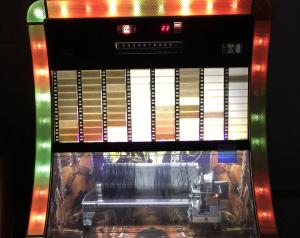
The few remaining jukeboxes in London’s pubs and bars salvage a mode of music consumption from the junkyards of history, argues Deborah Nash in The Wire 507
Publishing an independent music magazine is tougher than ever. We need your continuing support

In his latest Secret History of Film Music column, Philip Brophy considers Daniel Lopatin's score for Uncut Gems (2019) and its context within an aesthetic of ‘bling’

Jo Hutton remembers the French composer and electronic music pioneer who died in February aged 94

London’s Metropolitan Police persecutes UK rap while using it for self-promotion, argues Hugh Morris in The Wire 506
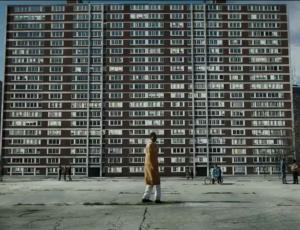
In his latest Secret History of Film Music column, Philip Brophy considers scores by Robert Aiki Aubrey Lowe, who creates an aesthetic of decay for a Black context

The latest album from UK ensemble Hen Ogledd is a striking invocation of the mythic and mundane, writes Abi Bliss in The Wire 505

In the introduction to her collection of writings on Tom Wilson, Anaïs Ngbanzo gives an overview of the influential producer's life

Music can act on listeners in ways that Western modes of engagement and criticism overlook or erase, argues Moravian composer and vocalist Julia Úlehla in The Wire 505

As AI use spreads further into the creative industries, platforms like Bandcamp must be bold in their efforts to sort the good faith from the bad, argues Erick Bradshaw

In the first essay of a short series exploring Bandcamp’s ban on AI-generated music, Vicki Bennett argues that the platform’s decision rests on the belief in a stable binary between computer and human made music

Philip Brophy analyses Colin Stetson’s use of the saxophone’s physical dimensions to evoke the disturbed voices and bodies of Texas Chainsaw Massacre (2022) and Hereditary (2018)

US poet Clark Coolidge speaks to Joel Lewis about the new publication of Rock Notes, originally conceived in 1966 with fellow poet Tom Clark – a collection of riffs and musings on the burgeoning rock music of the era
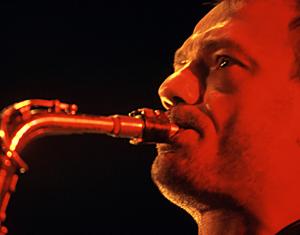
In The Wire 503/504, Seymour Wright appraises the hardcore saxophony of French musician Jean-Luc Guionnet
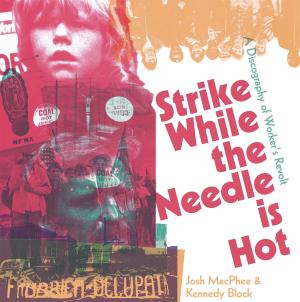
In an extract from his new book, co-authored with Kennedy Block, Josh MacPhee outlines the role of workers' songs and the making of records in supporting labour movements in the US
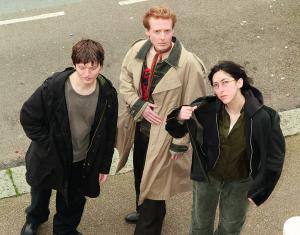
To make sense of ongoing tech revolutions, a new generation of musicians is making music that metabolises electronic processes through analogue forms, argues Ryan Meehan
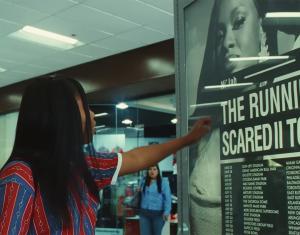
In his latest Secret History of Film Music column, Philip Brophy explores how the signifiers of Black musics in Swarm are fragmented to indicate its main character’s psychosis

From the mainstream to the margins, bands were once again in decline in 2025, writes Antonio Poscic

The music industry's uptake of AI complicates the boundaries between listener, artist and music in troubling new ways, argues DeForrest Brown, Jr